
Bed bugs are a fact of life in any city with a large rental market, and Madison — with tens of thousands of apartment units, high tenant turnover every August, and a steady flow of moves, sublets, and secondhand furniture — sees its share. Whether you're a tenant who just found a bug on the mattress or a landlord fielding a complaint, how you respond in the first week matters more than almost anything else.
This guide covers what both sides need to know: how to confirm it's actually bed bugs, who's responsible for what, and why apartment treatments fail when they're done wrong.
Step One: Confirm It's Actually Bed Bugs
Roughly half the "bed bug" calls we get from Madison renters turn out to be something else — carpet beetles, bat bugs, spider beetles, or bites from a different source entirely. Before anyone panics or spends money, look for physical evidence:
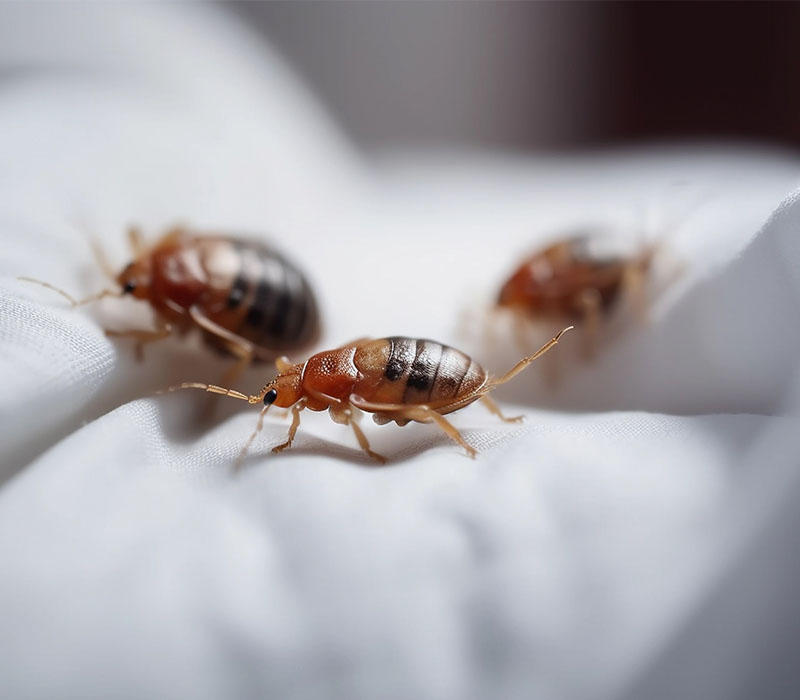
- Live bugs: flat, oval, reddish-brown, apple-seed-sized. Check mattress seams, the box spring, and the bed frame joints first.
- Fecal spotting: clusters of tiny black-brown dots, like felt-tip pen marks, on mattress seams, sheets, and behind the headboard.
- Cast skins: translucent amber shells left behind as nymphs grow.
- Blood smears: small rust-colored streaks on sheets.
Bites alone are not proof — bite reactions vary wildly from person to person, and plenty of other things cause itchy welts. Capture whatever you find in a zip-top bag or take sharp photos, and compare against our pest identification guide. Getting the ID right determines everything that follows.
For Tenants: Your Playbook
Report it in writing, immediately
Notify your landlord or property manager in writing (email counts) the same day you find evidence. Wisconsin landlords are generally obligated to maintain rental units in a habitable condition, and prompt written notice both starts the clock on their response and protects you if there's ever a dispute about who knew what when. Waiting — out of embarrassment or fear of blame — only lets the infestation grow and spread to neighboring units, which makes everything more contentious.
Don't self-treat with foggers
Bug bombs and foggers are the single worst thing a tenant can do. They don't penetrate the cracks where bed bugs hide, but they do repel and scatter bugs — deeper into walls, and into the units next door. Self-treating can also complicate the professional treatment that follows.
Don't throw out your mattress (yet)
Dragging an infested mattress through the hallway seeds bugs along the entire route, and a new mattress in an untreated room gets infested within days. Most infestations are resolved with the mattress in place, using encasements. Wait for professional guidance.
Do these things while you wait
- Wash and dry bedding and clothing on high heat — the dryer is what kills bugs and eggs.
- Bag laundered items in sealed plastic bags.
- Reduce clutter around the bed, but don't move belongings to other rooms or other people's homes.
- Keep sleeping in the room. Moving to the couch just draws hungry bugs into the living room.
For Landlords and Property Managers: Your Playbook
Bed bugs in multifamily housing are a building problem, not a unit problem. Bed bugs travel between units along pipe chases, electrical runs, and shared walls, and studies of infested buildings consistently find that neighboring units are already affected by the time the first complaint comes in. The cost difference between treating one unit early and treating a floor six months later is enormous.
- Respond fast. A same-week professional inspection after a complaint is the cheapest decision you'll make.
- Inspect adjacent units — both sides, above, and below the reported unit, at minimum.
- Use a licensed professional with multifamily experience. Bed bug work in apartments requires unit-prep coordination, follow-up visits, and documentation. Our apartment and multifamily pest control programs are built for exactly this, including preventive monitoring for buildings with recurring issues.
- Document everything: complaint dates, inspection findings, treatment dates, and follow-up results.
- Don't blame the tenant. Bed bugs arrive with luggage, guests, used furniture, and laundromats. Assigning fault delays reporting from other tenants — and late reporting is how buildings get overrun.
What Effective Apartment Treatment Looks Like
Whoever hires the pest control company, insist on a process that includes a thorough inspection with a written finding, treatment of the affected unit and inspection of adjoining units, mattress and box spring encasements, at least one scheduled follow-up visit two to three weeks later, and clear prep instructions for residents. One-and-done spray visits have a high failure rate with bed bugs; eggs laid before treatment hatch afterward, which is why the follow-up is non-negotiable. You can read more about our approach on our bed bug treatment page.
The Bottom Line
Bed bugs are stressful, but they are very treatable when tenants report fast, landlords respond fast, and the treatment is done thoroughly with follow-up. The disasters we see in Madison rentals almost always trace back to one of three mistakes: months of silence, DIY foggers, or a bargain one-visit treatment with no follow-up.
Whether you're a tenant with a bug in a bag or a property manager with a complaint on your desk, request an inspection and we'll confirm what you're dealing with, inspect the surrounding units where needed, and lay out a treatment plan that actually ends it.