
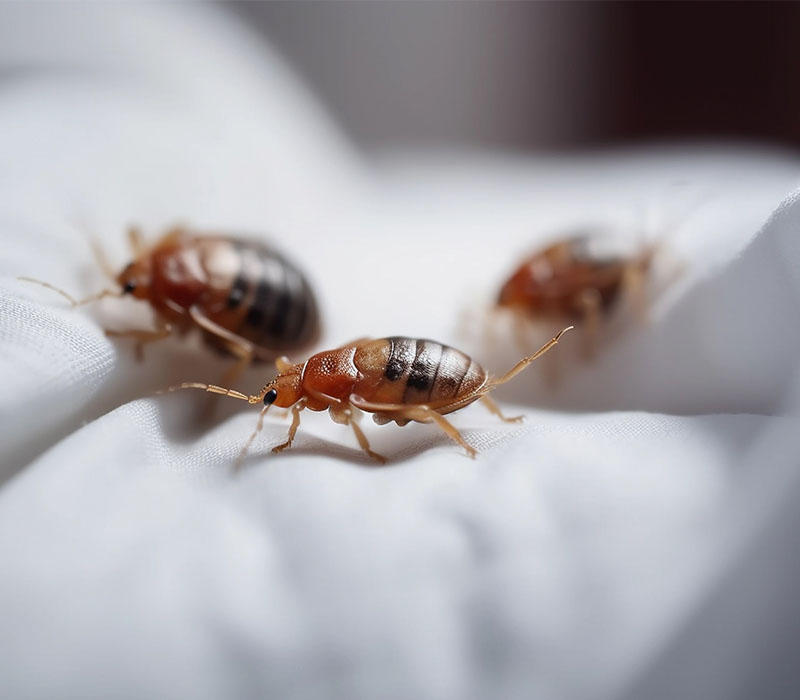
Hotels do not get to choose their pests. Every night, guests arrive from airports, conventions, sports tournaments and other hotels, and every one of them brings luggage that has been somewhere else. That is true for an airport property near Milwaukee Mitchell, a downtown Milwaukee hotel, a highway hotel on the I‑94 corridor in Waukesha or Pleasant Prairie, a Lake Geneva or Lake Country resort, a Madison hotel on a Badger game weekend, and a two-unit short-term rental on a lake.
No hospitality operator can prevent every introduction. What separates the properties with a quiet reputation from the ones with a bad review pinned to the top of their listing is how fast a problem is found, how cleanly it is contained, and whether there is a paper trail showing it was handled. Here is what that looks like in practice.
Bed Bugs Are a Travel Pest, Not a Cleanliness Pest
Bed bugs move with people. They hide in luggage seams, backpacks and clothing, and they do not care whether the room is a budget motel or a luxury suite. Because travel never stops, bed bug risk in lodging is a year-round issue, not a seasonal one, and it does not respect star ratings.
That framing matters for your staff. If housekeepers believe bed bugs only happen at dirty properties, they will not look for them at yours. The single most valuable thing a hotel can do is train the people already in every room, every day, to recognize early signs.
A Room-Turn Inspection Housekeeping Can Actually Do
A good room-turn check takes a minute or two and fits into the existing linen change. When the bed is stripped, housekeepers should look at:
- Mattress seams, piping and tags, especially at the head of the bed.
- Box spring or foundation corners, and under the dust cover if it is torn.
- The headboard edge and the wall behind it. Wall-mounted headboards are a common harborage and should be pulled and inspected on a regular schedule.
- Nightstand joints and drawer corners next to the bed.
- Upholstered chairs, sofa beds and luggage racks, including seams and the underside.
What they are looking for: small dark fecal spots that look like ink dots, pale shed skins, tiny white eggs, and live bugs from pinhead-sized nymphs to apple-seed-sized adults. A small flashlight and a card to run along seams is all the equipment needed. Anything suspicious gets reported the same shift, not at the end of the week.
When a Guest Reports Bites: The Response Procedure
The first hour after a complaint sets the tone for everything that follows. Your front desk and housekeeping leads should know these steps cold:
- Take the report seriously and calmly. Apologize, do not argue the diagnosis, and offer to move the guest.
- Do not move them next door. Rooms on either side, above and below share walls, plumbing and wiring with the reported room. Relocate the guest to a room away from the affected area.
- Contain belongings. Offer bags for the guest's items and offer laundering of clothing on high heat, which kills bed bugs in fabric.
- Take the room out of service until it has been professionally inspected and cleared.
- Isolate the linen and cart. Bag linens in the room, and do not move the housekeeping cart from that room into others.
- Inspect the adjacent rooms — both sides, above and below.
- Document everything: date, room number, what the guest reported, what was found, and what was done.
Heat or Targeted Chemical Treatment?
There is no single right answer, and anyone who tells you there is should be questioned. The choice depends on the room and the situation:
- Heat raises the room and its contents to a temperature lethal to all bed bug life stages. It can treat items that are hard to reach chemically, and it can sometimes return a room to service sooner. It requires preparation, careful monitoring, and attention to heat-sensitive items, and it leaves no residual protection on its own.
- Targeted chemical treatment uses labeled products applied to seams, cracks, furniture joints and wall voids, often combined with mattress encasements and follow-up visits. It provides residual activity but generally requires more than one visit.
- Combinations are common, and adjacent rooms may need inspection or treatment regardless of method.
The deciding factors are how far the infestation has spread, the room's construction and furnishings, how quickly you need the room back, and what follow-up inspections show. Our bed bug page explains more about how treatment plans are put together.
Protecting Reviews and Guest Trust
One review mentioning bed bugs can follow a property for a long time. You cannot control what a guest writes, but you can control what they experience after they report a problem. Guests who are believed, relocated quickly and treated respectfully are far less likely to escalate. A documented response also gives management something factual to stand on when replying publicly or handling a claim.
The bigger protection is catching problems before a guest does. Proactive inspections — scheduled room checks by your pest provider on a rotation, plus trained housekeeping — mean most introductions are found in one room by staff, not reported online by a guest.
Beyond Bed Bugs: The Rest of the Property
- Kitchens, banquet and breakfast areas. German cockroaches ride in on deliveries and breed in warm equipment. Hotel kitchens face the same inspection pressure as restaurants; our post on passing Wisconsin health inspections applies directly.
- Rodents in fall. Loading docks, banquet storage, laundry rooms and mechanical spaces are where mice and rats look for winter shelter, especially at older downtown properties.
- Flies in summer. Pool decks, outdoor bars and dumpster areas draw house flies; drains in bars and kitchens breed fruit and drain flies.
- Stinging insects. Yellowjackets around patios, pools and outdoor dining in late summer, and paper wasp nests under balconies and eaves.
- Lakefront resorts. Midges, mayflies and the spiders that follow them coat exterior lighting and docks. Lighting changes and timed exterior treatment help.
Documentation That Holds Up
Whether it is brand quality assurance, a health inspection, an insurance carrier or a guest claim, the paperwork matters. A hospitality pest program should produce dated service reports, room-level records of inspections and treatments, a log for staff sightings, records of housekeeping training, and follow-up confirmation that treated rooms were cleared. That is the structure behind our hotel and resort pest control programs.
Covering Southeast Wisconsin and Madison
We service hotels, motels, resorts and short-term rentals across Madison and Dane County, the I‑94 corridor through Waukesha County and Lake Country, and the full Milwaukee metro and Lake Michigan shore through Racine, Kenosha and Pleasant Prairie. If you want to tighten your room-turn protocol or build a documented program before your next busy season, request a commercial consultation and we will walk your property with you.